
Reading Lab is my ongoing experiment to explore how reading on the web can better support understanding, retention and learning.
Most reading interfaces are good at access. They help us open a page, scroll through it, search for a word and move on. They are far less effective at helping us stay oriented, return to an idea, compare passages, hold references close to the context or build a durable mental map of what we are reading.
This project begins from that gap.
I am especially interested in reading experiences for dense, academic, research-heavy and idea-led material. These are the situations where conventional web reading usually starts to break. The problem is not simply legibility. It is orientation, recall, context and return.
Reading Lab treats reading as more than a visual intake. It treats reading as movement, comparison, recall and spatial judgement. If that is true, then a reading interface should not only present text clearly. It should also help retain structure, support revisiting and reduce the effort required to reconnect ideas.
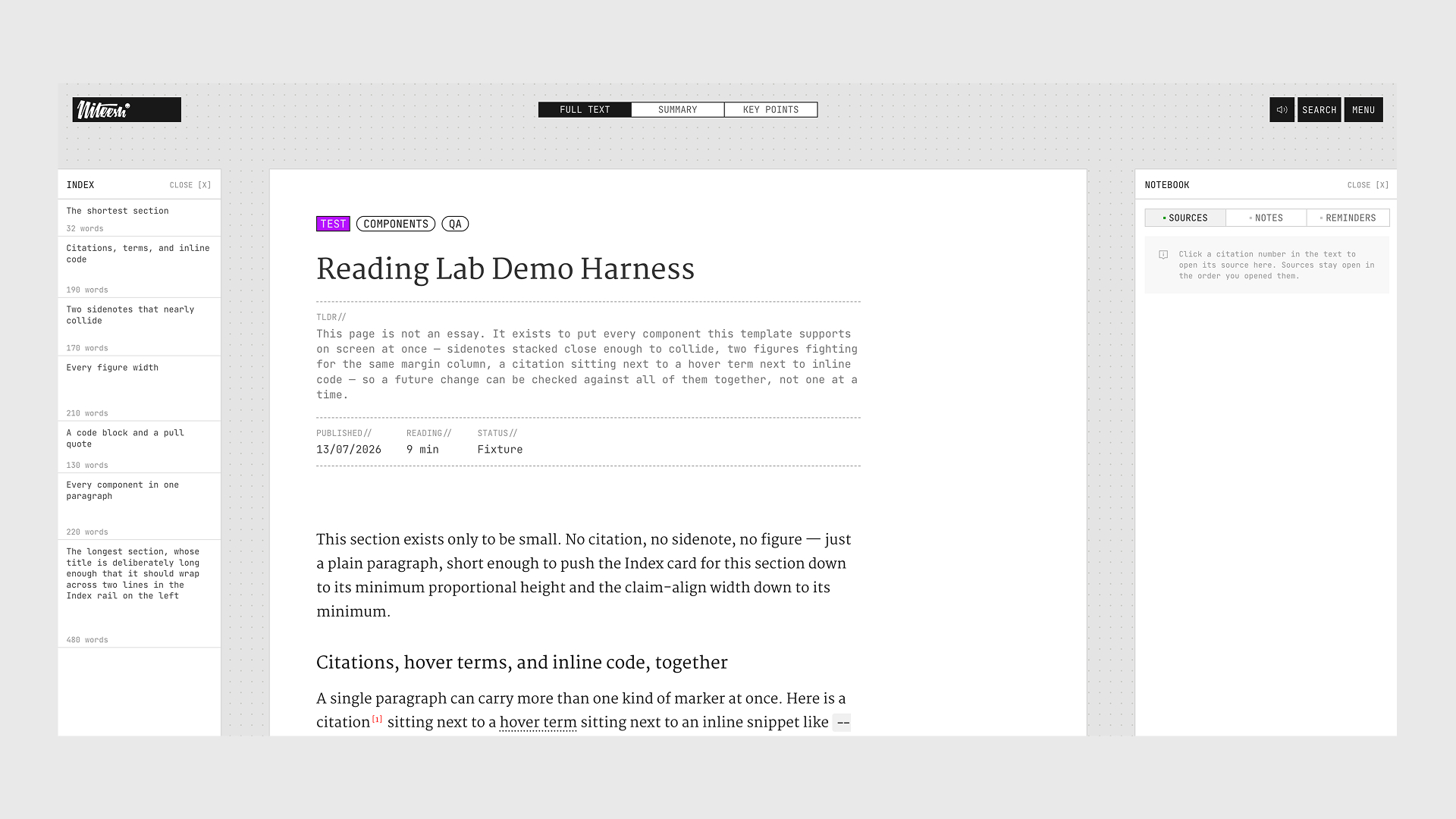
This demo is both: an article and a prototype. It is designed to explain the thinking behind Reading Lab while also letting you experience its features directly inside the reading surface.
Reading Lab is my ongoing experiment to explore how reading on the web can better support understanding, retention and learning. Most reading interfaces are good at access.
Reading Lab is my ongoing experiment to explore how reading on the web can better support understanding, retention and learning.
Semantic zoom, without losing the thread
One part of the system is semantic zoom. The article can move between full text, summary and key points. The purpose is not to create disconnected versions of the same piece. It is to let the reader shift density without losing the structure of the argument. Full text supports careful reading. Summary helps recover the shape of the piece. Key points help with scanning and return.
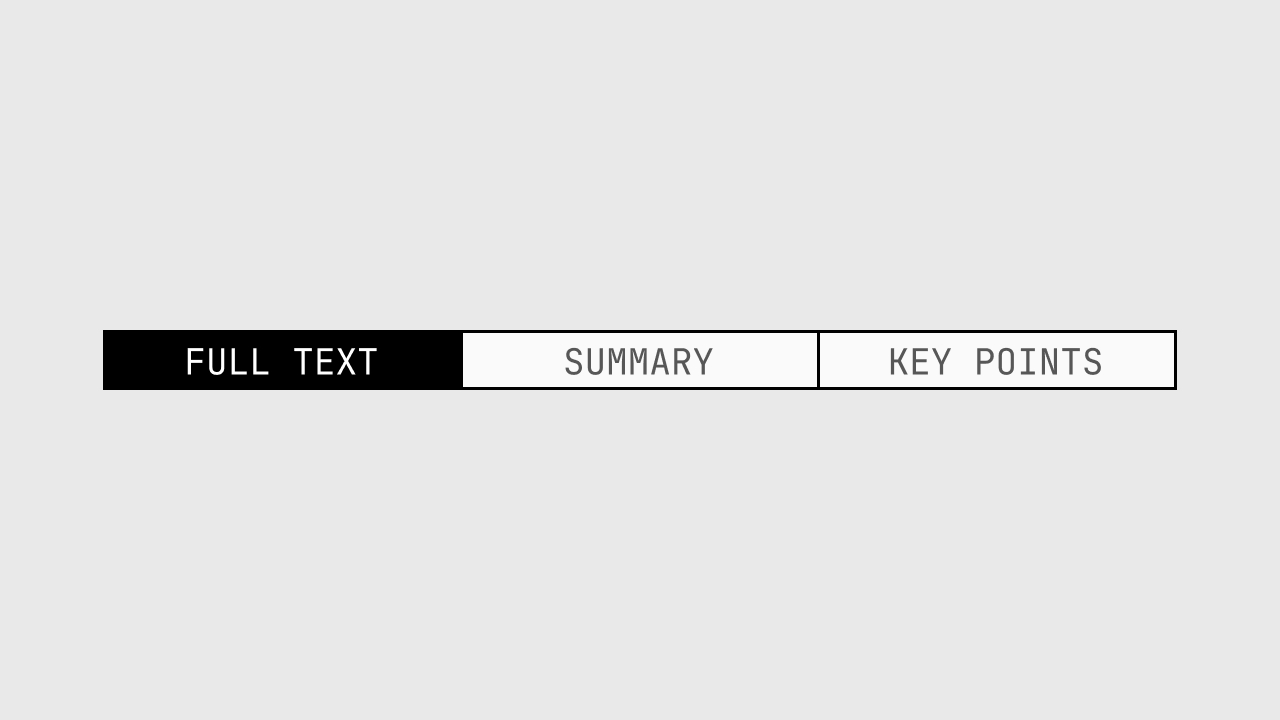
One part of the system is semantic zoom . The article can move between full text, summary and key points.
One part of the system is semantic zoom .
The index as a reading rail
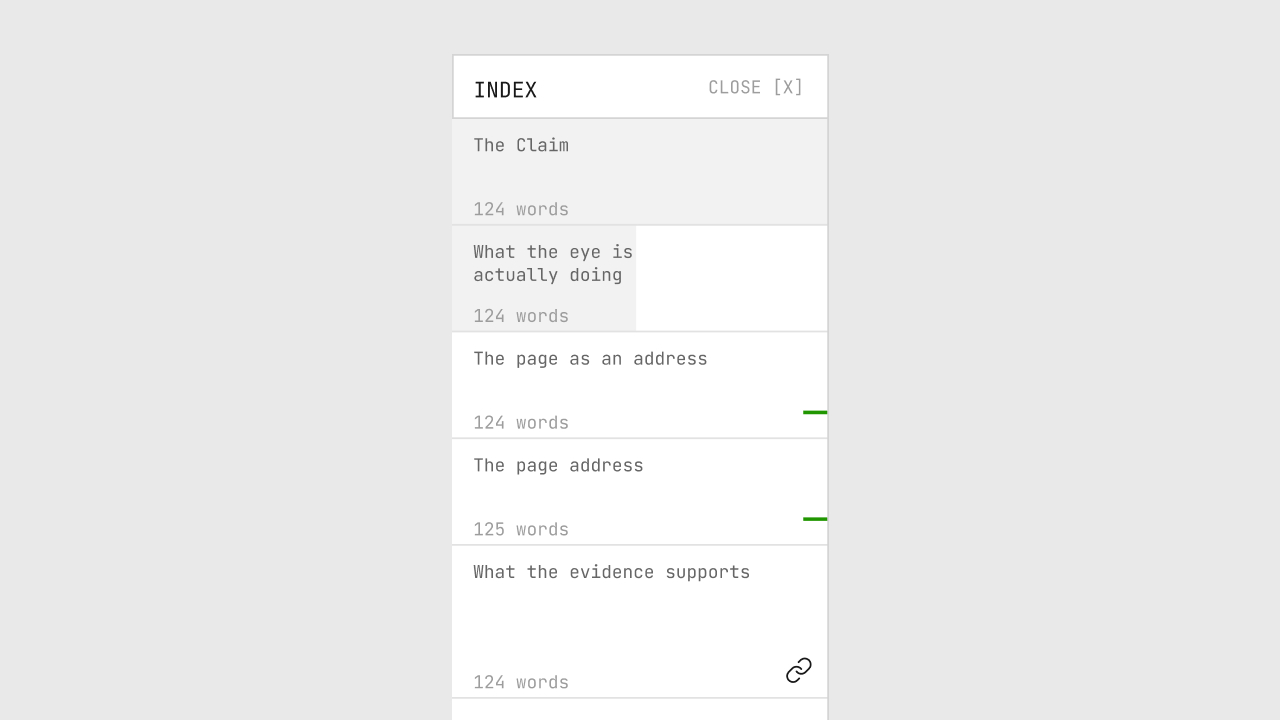
Another part is the index. Rather than acting like a one-time table of contents, the index works as a live structural rail. It shows how the article is organised, helps the reader jump deliberately and makes the shape of the text easier to hold in memory. Also allows to pin the position of notes taken by user with small markers
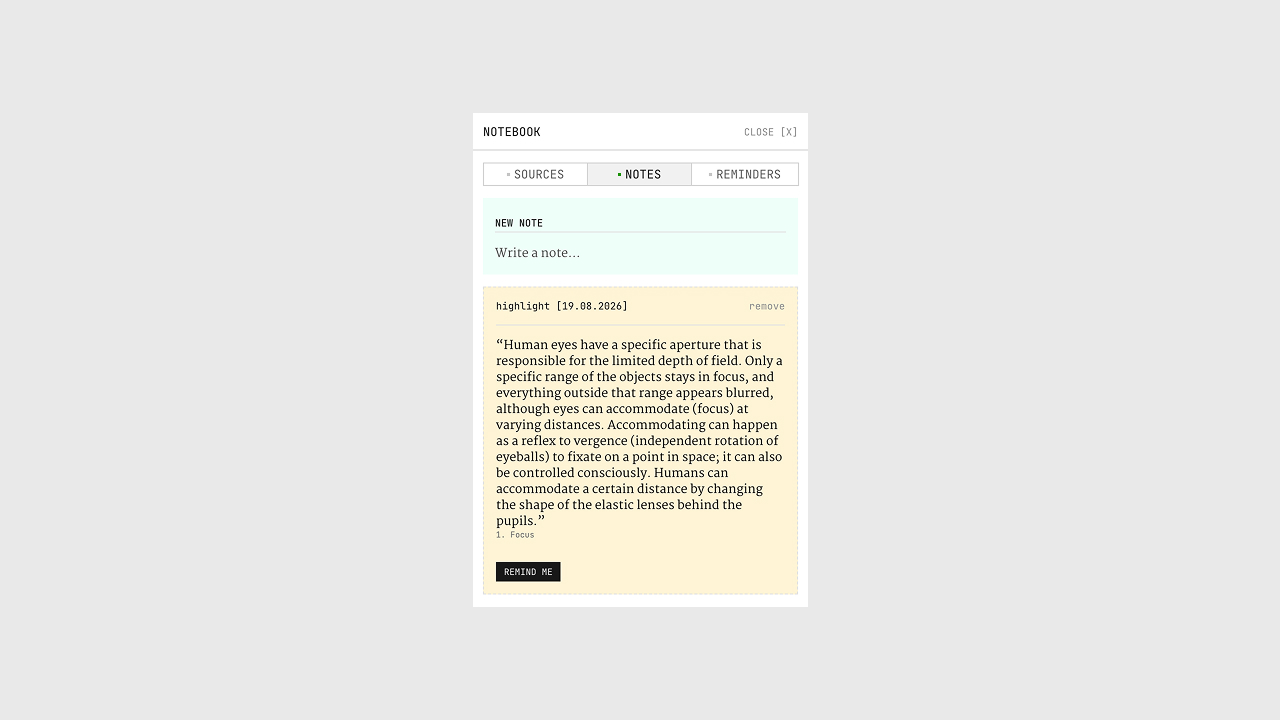
The notebook section explores how supporting material can stay close to the main text. Sources, notes and reminders are often important, but in most reading interfaces they are treated as interruptions. Here they are treated as adjacent reading tools. The goal is to keep them available without forcing the reader to leave the article and recover their place later.
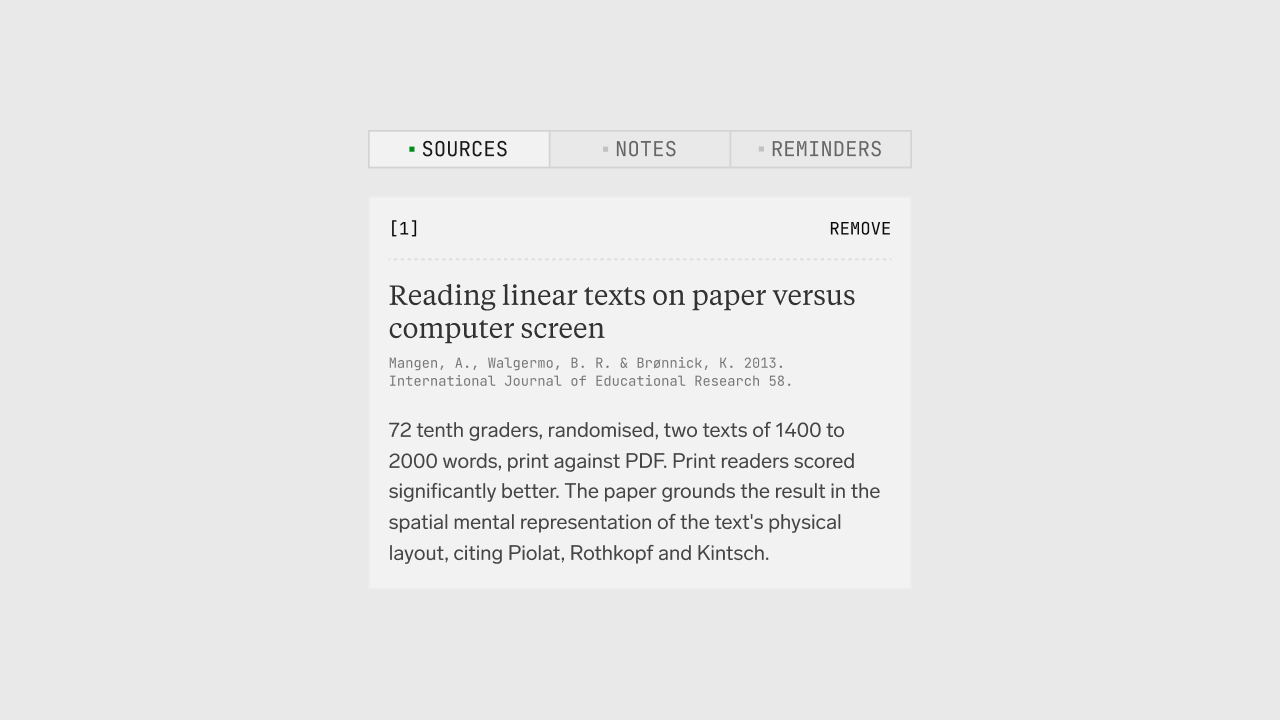
References are a core part of that. Citations in the text are not only markers of attention to details. In this prototype they are active links into the source layer. A citation can open the referenced material nearby so the argument and its evidence can be read together, not in separate sessions.
Another part is the index. Rather than acting like a one-time table of contents, the index works as a live structural rail.
Rather than acting like a one-time table of contents, the index works as a live structural rail.
Hover notes and margin notes reduce detours
Hover notes address a lighter kind of interruption. Some terms need clarification, but not enough to justify a full detour. A hover note lets a reader inspect a definition or short explanation without leaving the sentence. This helps technical, research-oriented or concept-heavy writing stay readable without flattening its language. Deictic cues are one example: small positional signals that help a reader relocate information.
Margin notes serve a different role. They hold side thoughts, tensions, clarifications and small interventions that should remain close to the argument without becoming part of its main flow. They acknowledge that reading is not always linear. Sometimes the most useful thought sits just beside the paragraph, not inside it.*
Hover notes address a lighter kind of interruption. Some terms need clarification, but not enough to justify a full detour.
Hover notes address a lighter kind of interruption.
Images need different reading behaviours
Images also require different behaviours depending on what their purpose. Some visuals belong inside the main reading flow. Some work better as side images that support a nearby passage without taking over the page. Others need a larger view because they reward slower inspection. Reading Lab treats these not as one generic media block, but as different reading conditions.
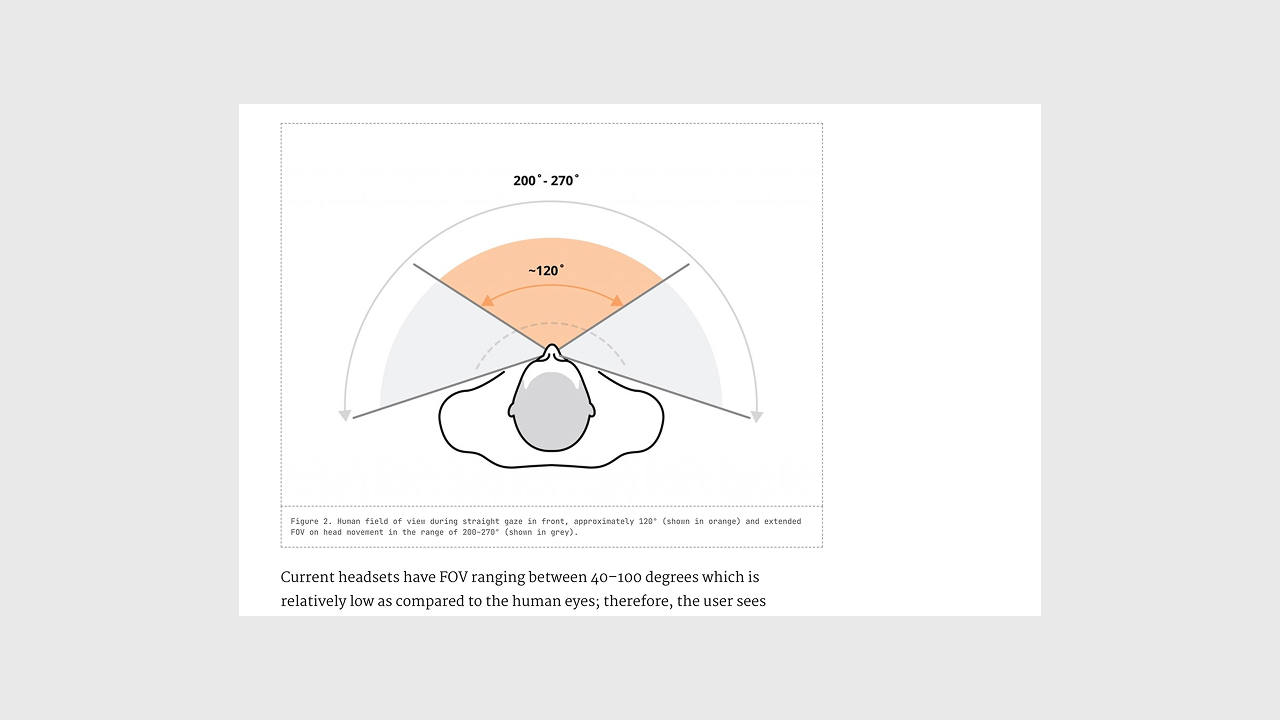
An inline image works when the visual is part of the sentence-level argument and needs to be read in sequence with the text.
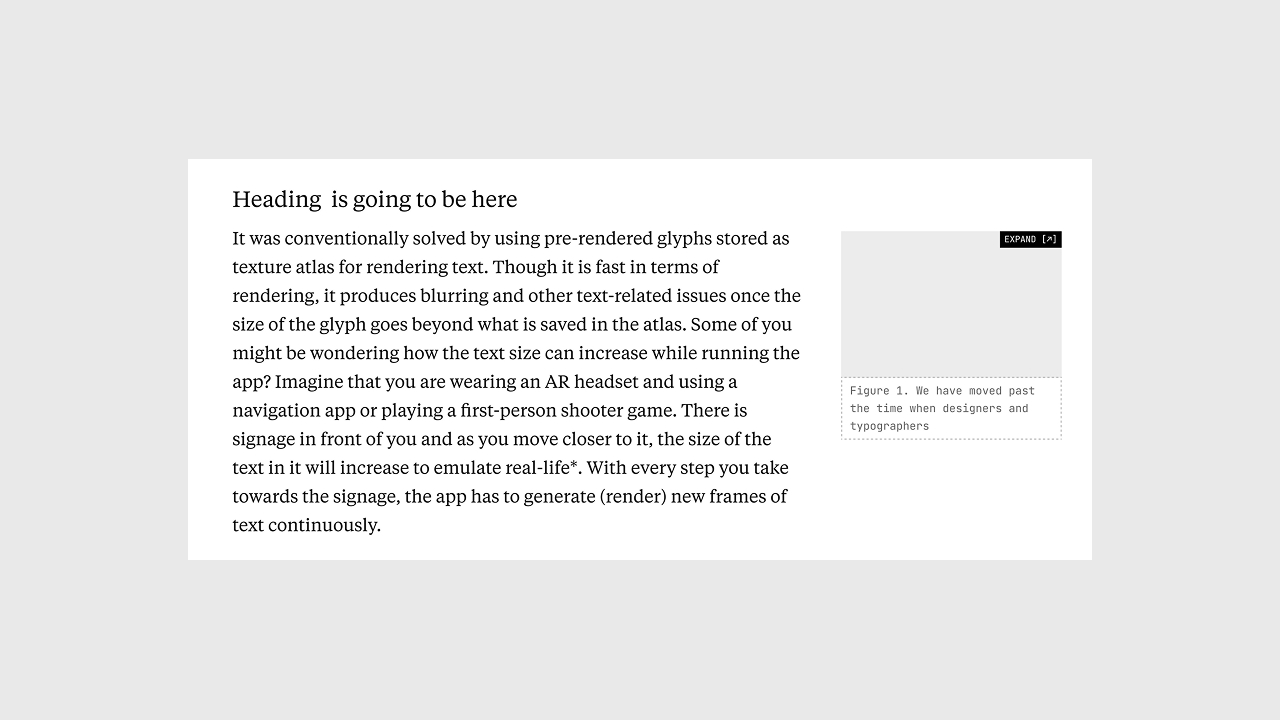
A side image works when the visual supports a nearby idea, but should not interrupt the main reading thread.
Images also require different behaviours depending on what their purpose. Some visuals belong inside the main reading flow.
Images also require different behaviours depending on what their purpose.
Stability, comparison and return
The larger aim is simple. I want to understand what kinds of stability actually help readers think. Which interface decisions improve comprehension. Which ones support recall. Which ones make return easier. Which ones only feel sophisticated, but do not meaningfully help.
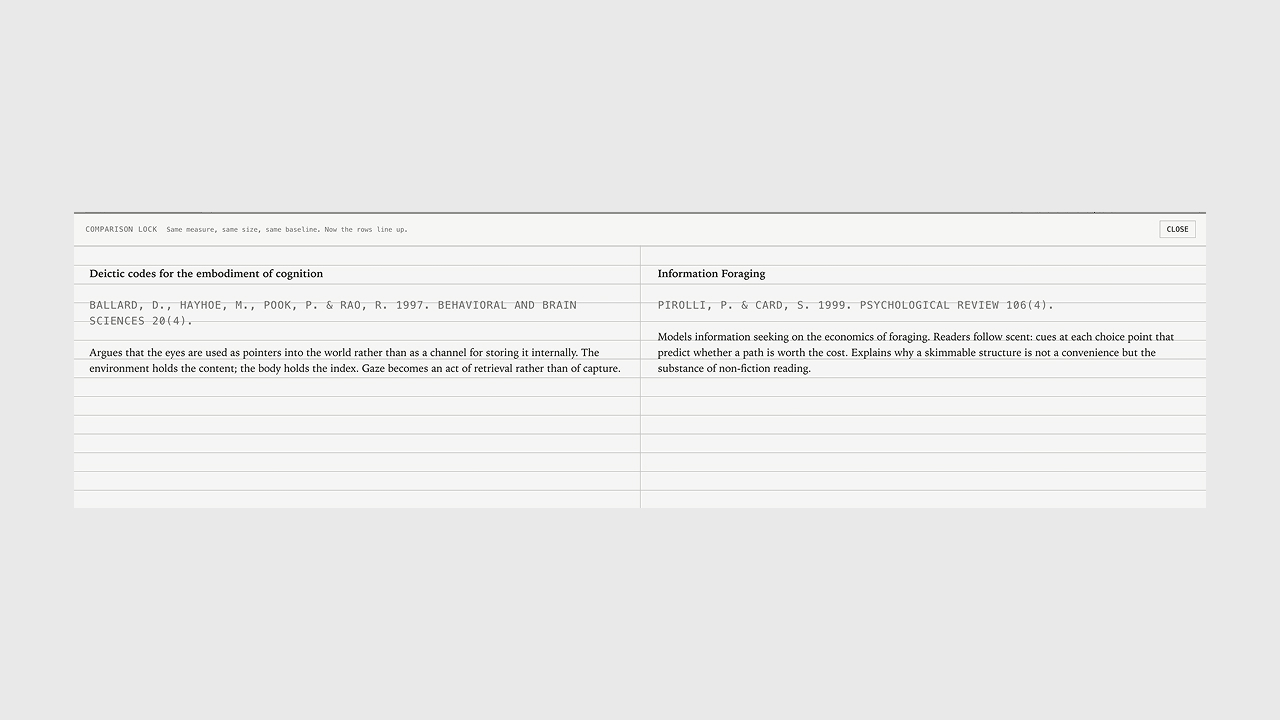
An earlier direction in this work was comparison lock. It explored whether two sources could be read side by side within a shared baseline and measurement system so comparison felt more stable and deliberate. That idea is currently parked. It was useful as an experiment, but for now it adds more interface weight than the system needs. The broader question of comparison still matters, but the implementation needs a lighter form. I might revsit this later
What remains active is the attempt to build a more grounded reading surface. A surface where structure stays visible, references stay close, notes remain available, images behave according to their role and density can change without collapsing orientation.
References, notes and reminders are all part of that wider system. References help verify and inspect the argument. Hover notes reduce the cost of clarification. Margin notes allow side thoughts to stay close to the main thread. Reminders make it possible to mark what deserves return later. Reminders are still a WIP functionality, that I'll refine over time
The larger aim is simple. I want to understand what kinds of stability actually help readers think.
I want to understand what kinds of stability actually help readers think.
This article is also the prototype
This is why Reading Lab is less a publishing template and more a reading instrument. It is a place to test whether reading on the web can move beyond access and become better at supporting understanding.
It is also why this article is doing double duty. It is not only describing the system. It is being used to demonstrate the system. The article should show citations, references, hover notes, margin notes, inline images, side images, larger figures, semantic zoom, index structure and notebook behaviour in action, not as abstract claims, but as part of the live reading experience.
I do not see this as a final answer. It is a working environment. Some ideas will hold. Some will fail. Some may only help under specific conditions. That is part of the point. The goal is not to defend every feature. My goal is to identify which ones genuinely improve the act of reading.
One of the key tests is return. Can a reader come back to an earlier section and recover the thread without feeling lost. Can the structure, notes, references and image placement help rebuild context with less effort. Can the page support memory rather than constantly reset it.
If this demo succeeds, it should do two things at once. It should explain the idea behind Reading Lab and it should let you feel that idea through the article itself.
This is why Reading Lab is less a publishing template and more a reading instrument. It is a place to test whether reading on the web can move beyond access and become better at supporting understanding.
This is why Reading Lab is less a publishing template and more a reading instrument.