
About Niteesh Yadav — Design Leadership, Typography and Spatial Computing
ABOUT ME
I'm a design leader and researcher working across product design, human-computer interaction and emerging interfaces.
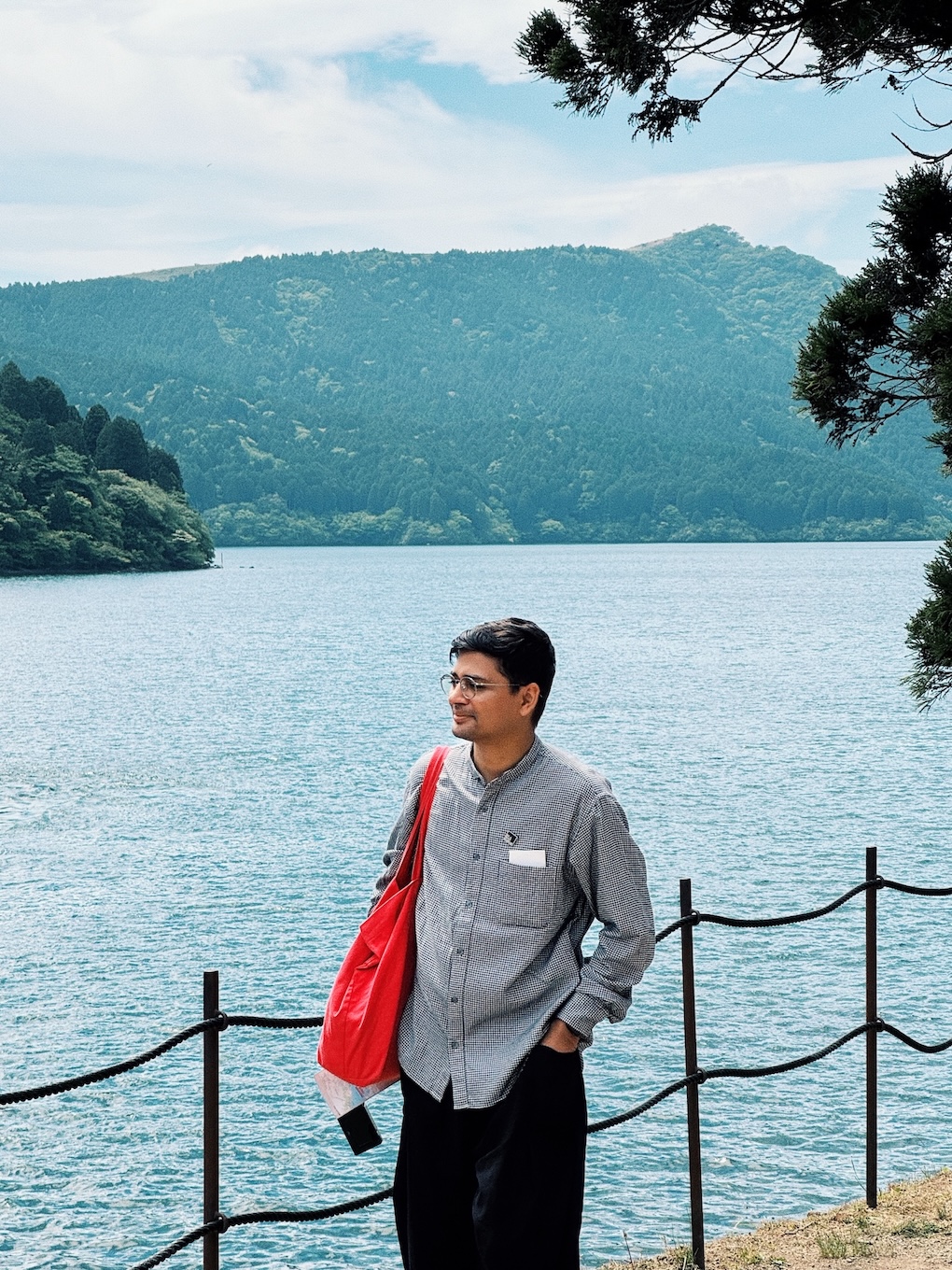
Over the past decade, I have led products and systems while following one question through the work: how do people make sense of information?
LET'S CONNECT
I'm more interested in questions than answers.
Most people know me through typography, a product or a talk.
Those are outcomes. The interesting part happens much earlier.
It usually begins with a question that refuses to leave me alone.
Why do some interfaces feel effortless while others feel exhausting?
Why do people stop reading?
Why do certain signs work across languages?
Why should the same information look the same for every person and situation?
When should an intelligent interface act without being asked?
I've learnt that following good questions often leads somewhere far more interesting than chasing trends.
JUST CURIOSITY
I didn't choose one discipline.
I kept following the same curiosity.
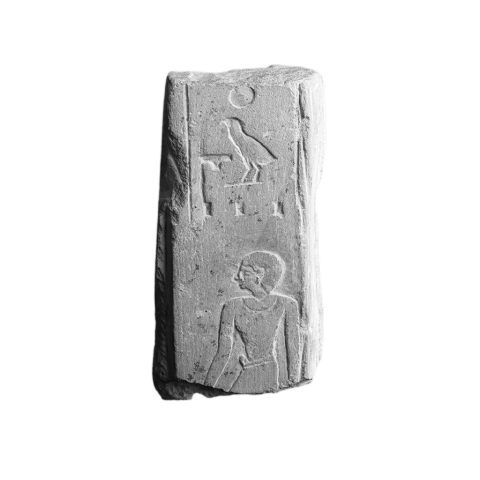
Communication
Design
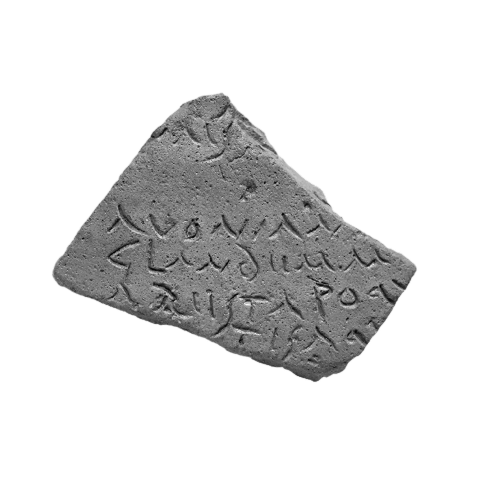
Typography
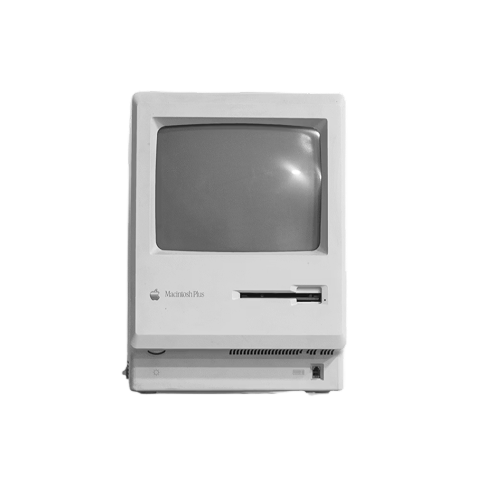
Product
Design
Research
Spatial
Computing

Adaptive
Interfaces
EDUCATION
Master of Arts, Typeface Design
University of Reading, United Kingdom
Bachelor of Design, Communication
National Institute of Fashion Technology (New Delhi), India
Published in
Designing Immersive 3D Experiences: A Designer’s Guide to Creating Realistic 3D Experiences for Extended Reality
by Renee Stevens
ISBN: 9780137282838
Pearson Education (US)
Page Magazine (Germany)
May 2021
Page Verlag
YOU’RE INVITED!
ISBN: 978-3-89955-920-0
Gestalten
Fashion Packaging Now
Edited by Chris Huang
ISBN: 9781864706802
Images Publishing
Featured in
Proto-typography: how type is dictated by the surface it’s written on
by Harry Bennet
It’s Nice That
The era of spatial typography is here
by Hunter Schwarz
Fastcompany
Typography in Augmented Reality
The Hard Copy
Typography classification in Augmented Reality
UX Collective
Are we ditching keypads for good in AR/VR?
UX Collective
Advances in AR/VR displays
Prototypr
Variables that affect the experience in AR
UX Collective
The current state of the text in Augmented Reality
AR/VR Journey
Factors that influence the reading experience in AR
UX Collective
Understanding display techniques in Augmented Reality
Prototypr
Preparing for the better typography in Augmented Reality
UX Collective
BIOGRAPHY
For as long as I can remember, I've been curious about how people understand the world.
As a kid growing up in a small town in India called Dehradun, that curiosity showed up in all sorts of places. I spent more time in science exhibitions, quizzes and art competitions than I probably did paying attention in class. It wasn't that I disliked studying. I just found myself more interested in understanding why things worked than simply learning that they did.
Like many students in India, I followed the expected path after school of choosing between engineering or medical studies and enrolled in mechanical engineering. It didn't take long to realise I wasn't excited by the subject itself. Around the same time, I stumbled across interface design and something immediately clicked. It brought together technology, communication and creativity in a way I hadn't seen before.
I taught myself UI design and started working with clients in Canada and the US while I was still figuring things out. Looking back, those projects taught me something much more valuable than software ever could. Good design isn't really about making interfaces look beautiful. It's about helping people understand something without having to think about it.
That idea has shaped almost everything I've done since.
I later joined the National Institute of Fashion Technology in New Delhi. Choosing a fashion institute over a conventional design school surprised a lot of people, but it was a deliberate decision. I wanted to be in a city where design was happening every day, where I could learn as much from studios and startups as I could from classrooms.
For most of college, I was juggling three jobs at once. Mornings were spent at university, afternoons consulting at a design studio, evenings working with a startup and weekends freelancing. It was exhausting, but it also meant I was exposed to branding, editorial design, packaging, interfaces, signage and digital products all at the same time. What I didn't realise back then was that one thing kept appearing in every project.
Typography.
No matter what I was designing, typography always seemed to be at the centre of it. It wasn't just about choosing a typeface. It determined how people understood information, how they moved through interfaces and how ideas were experienced.
An internship at 2×4 in Beijing pushed that curiosity even further. Living in another culture made me realise how much our understanding of information is shaped by language, writing systems and context. It inspired projects like #IndiaThroughType and Finding Design, but more importantly, it changed how I thought about design itself. I stopped seeing it as a collection of disciplines and started seeing it as a way of helping people make sense of the world around them.
That eventually led me to the prestigious Department of Typography and Graphic Communication at the University of Reading, UK, renowned globally for its typography expertise. At Reading, I began researching a question that has stayed with me ever since: what happens to reading when computing leaves the screen?
That question led first to typography for augmented reality and later to adaptive typography. If the conditions around reading can change continuously, I began wondering why the representation itself should remain fixed.
More recently, that question has widened again. Interfaces are beginning to understand more about the person, task and environment around them. I'm interested in what information should do differently when that context becomes available, and when an interface should respond without waiting to be explicitly asked.
Today I lead Design & Research at Pocket FM and continue this exploration independently through research, writing and experiments.
The mediums keep changing, but the curiosity underneath them has remained surprisingly consistent.
I'm still looking for better answers.